Table of Contents
- Beyond the Base Price: Hidden Costs in New Construction Homes
- The True Cost of New Construction Home Upgrades
- New Construction Closing Costs You Should Expect
- Why a New Construction Home Inspection Is Non-Negotiable
- Hidden Costs After Closing: Landscaping, Appliances, and More
- Your New Construction Cost Checklist for Budgeting
- How to Avoid Surprise Costs When Buying New Construction
- Conclusion: Take Control of Your New Construction Budget
- Frequently Asked Questions
Last Updated: October 8, 2026
Beyond the Base Price: Hidden Costs in New Construction Homes
The advertised price of a new build rarely matches the final number on your closing statement. Hidden costs in new construction homes often add thousands to your bottom line, and most buyers don't see them coming until the paperwork is already signed.
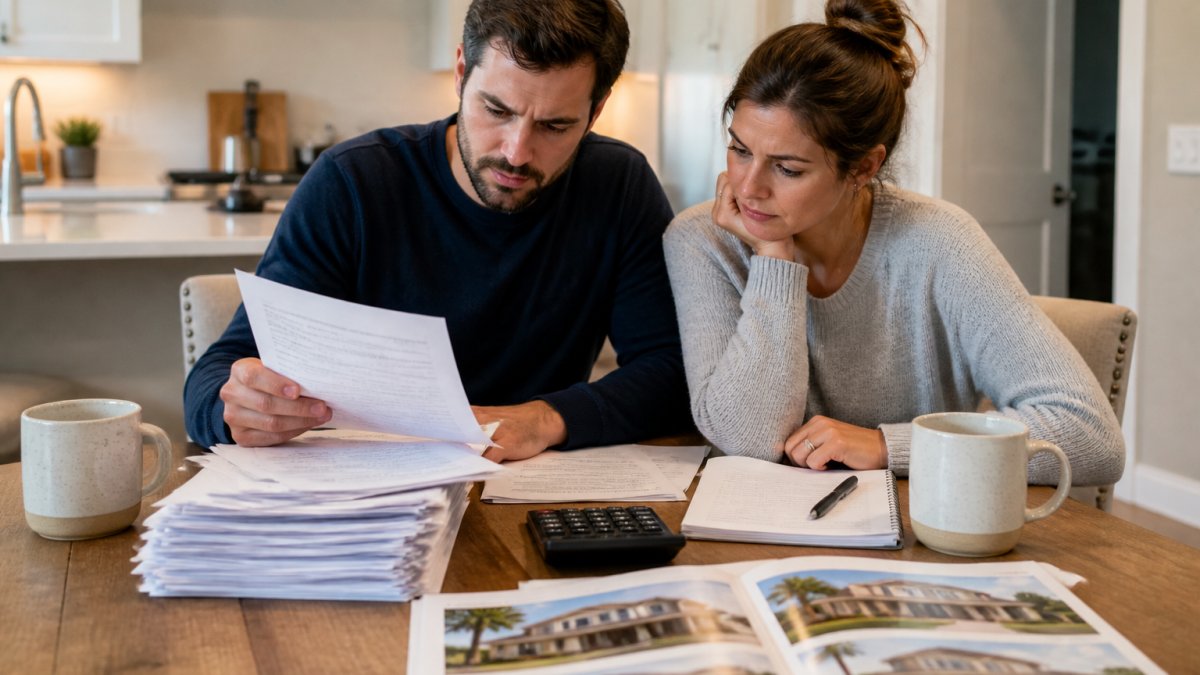
Here's the reality: the base price covers the house at its most basic. Everything else, from the lot premium to the final landscaping, is a separate line item. The Consumer Financial Protection Bureau's guide to closing costs explains that buyers should expect a range of fees beyond the purchase price, and new construction adds its own layer on top.
This guide breaks down where the extra money goes. We'll cover upgrades, closing costs, inspections, and the after-closing expenses nobody warns you about. By the end, you'll have a checklist to budget with confidence.
The True Cost of New Construction Home Upgrades
New construction home upgrades are where budgets quietly fall apart. A builder's base model is a starting point, not a finished home. The design center is where you choose finishes, and every choice has a price.
Structural vs. Cosmetic Upgrades
Structural upgrades change the shape or function of the home. These include adding a bedroom, extending the garage, or raising ceilings. They cost more and must be decided early, before the frame goes up.
Cosmetic upgrades cover finishes: flooring, cabinets, countertops, fixtures, and paint. You can often add these later, which gives you more control over timing and budget.
The key difference is timing. Structural changes lock in early. Cosmetic changes can wait.
Builder Design Center Pricing
Design centers mark up finishes well above retail. A common mistake is assuming the quoted price reflects the real market value. It rarely does.
- Ask for an itemized upgrade list with prices before you commit
- Compare each finish against outside vendors
- Confirm what's included in the base price versus what costs extra
A builder's design center is convenient. It is not always the cheapest route.
New Construction Closing Costs You Should Expect
New construction closing costs go beyond a standard resale purchase. You'll pay the usual lender and title fees, plus builder-specific charges that don't exist on an existing home.
Standard closing costs typically include:
- Loan origination and underwriting fees
- Title search and title insurance
- Appraisal and credit report fees
- Prepaid taxes and insurance
Builder Fees vs. Standard Closing Costs
Builders often add their own fees on top. These can include a document preparation fee, a construction deposit, and a transfer or administrative charge. Some charge for a home orientation walkthrough.
Ask for a full fee schedule in writing before you sign. The U.S. Department of Housing and Urban Development offers guidance on understanding your loan estimate and the fees tied to it.
| Cost Type | Typical Trigger | Can You Negotiate? |
|---|---|---|
| Lender fees | At loan application | Sometimes |
| Title and appraisal | During processing | Rarely |
| Builder admin fees | At contract signing | Often |
| Prepaid taxes/insurance | At closing | No |
Why a New Construction Home Inspection Is Non-Negotiable
A new construction home inspection is your best protection against costly surprises. New does not mean flawless. Builders work fast, and mistakes happen.
Many buyers assume the city inspection covers them. It doesn't. Municipal inspections check code compliance, not workmanship or finish quality. A private inspector looks at the details that code officials skip.
- Schedule a pre-drywall inspection before walls close up
- Book a final inspection before your walkthrough
- Review the report with your builder in writing
New Home Hub SWFL reimburses third-party home inspections at closing, up to $500.
Hidden Costs After Closing: Landscaping, Appliances, and More
The costs don't stop at closing. Many new homes come with bare yards and no appliances, and those gaps hit your wallet fast.
Common after-closing expenses include:
- Landscaping, sod, and irrigation
- Fencing and driveway finishing
- Refrigerator, washer, and dryer
- Window treatments and blinds
- Gutters and downspouts
Some communities also charge HOA fees and CDD assessments. These recurring costs can surprise buyers who only budgeted for the mortgage. Ask for the full community fee structure before you buy.
Your New Construction Cost Checklist for Budgeting
A new construction cost checklist keeps you from missing line items. Use this as a working document and update it at each stage.
- Confirm the base price and what it includes
- Request an itemized upgrade list with prices
- Get the full builder fee schedule in writing
- Estimate standard closing costs with your lender
- Budget for a private inspection
- Plan for landscaping and appliances
- Confirm HOA and CDD fees
- Set aside a contingency fund for surprises
Review this list with your builder and lender before signing anything.
How to Avoid Surprise Costs When Buying New Construction
Avoiding surprise costs comes down to asking the right questions early. Most of these expenses are knowable. You just have to dig for them.
- Ask what the base price excludes, not just what it includes
- Get every fee in writing before you sign
- Compare builder specs against the marketing claims
- Bring in an independent inspector
- Keep a written record of every promise made
This is where structured support pays off. New Home Hub SWFL compares local builders, costs, and floor plans side by side. We help you review written specifications against the glossy brochures, so you know what you're actually buying.
Conclusion: Take Control of Your New Construction Budget
Hidden costs in new construction homes are predictable once you know where to look. The challenge is that builders rarely volunteer the full picture, and the details hide in contracts and fee schedules. We offer independent builder comparisons, third-party inspection reimbursement up to $500 at closing, and hands-on help reviewing specifications and warranty follow-ups. Explore your options with New Home Hub SWFL and walk into your purchase with the full financial picture in hand.
Frequently Asked Questions
What costs are not included in the base price of a new construction home?
The base price typically excludes lot premiums, structural upgrades (like additional rooms or extended garages), cosmetic finishes (flooring, countertops, cabinets), appliances, landscaping, fencing, and closing costs. Many builders also charge separate fees for design center selections, permit processing, and HOA setup. Always ask for a detailed line-item breakdown of what the base price covers and what it does not.
How much should I budget for upgrades in a new construction home?
Upgrade budgets vary widely based on your selections and builder. Request a full pricing list from the design center before you sign, and prioritize upgrades that add long-term value, such as energy-efficient windows or additional insulation.
What closing costs apply to a new construction home?
New construction closing costs often include standard fees like appraisal, title search, and recording, plus builder-specific charges such as impact fees, water and sewer connection fees, and HOA transfer fees. Some builders also charge a construction deposit or administrative fee. Compare the contract to spot any unexpected line items.
What inspections should I pay for when buying a new construction home?
At minimum, hire a licensed inspector for a pre-drywall inspection (before walls are closed) and a final walkthrough inspection. A pre-drywall inspection checks framing, electrical, and plumbing rough-ins. The final inspection ensures finishes and systems are installed correctly. Some buyers also opt for a foundation inspection and a separate HVAC check. These inspections can catch issues early and save on future repairs.