Table of Contents
- New Construction vs Existing Homes SWFL: The Core Trade-Offs
- New Construction Home Costs: Base Price, Upgrades, and Hidden Line Items
- New Construction Home Inspections: What to Schedule and When
- New Construction Home Timeline: From Contract to Keys
- Existing Home Inspection Checklist: Due Diligence for Resale Properties
- Pros and Cons: New Construction vs Existing Homes Side by Side
- Which Option Fits Your Buyer Profile?
- Frequently Asked Questions
Last Updated: October 21, 2026
New Construction vs Existing Homes SWFL: The Core Trade-Offs
The decision between new construction vs existing homes SWFL buyers face comes down to one question: do you want to pay now or pay later? A newly built home carries a higher base price and upgrade costs, but fewer immediate repairs.
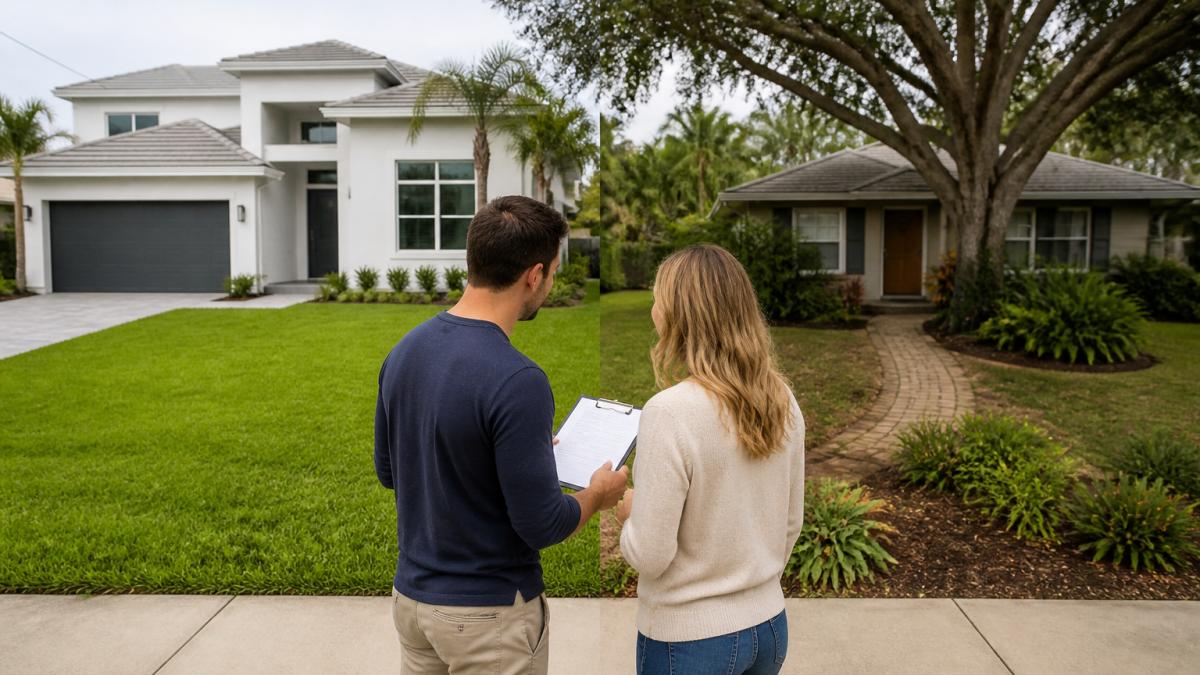
New Home Hub SWFL helps buyers walk through this comparison. Below, we break down the real numbers, inspection schedules, and timelines so you can choose with your eyes open.
How the Two Options Differ in Practice
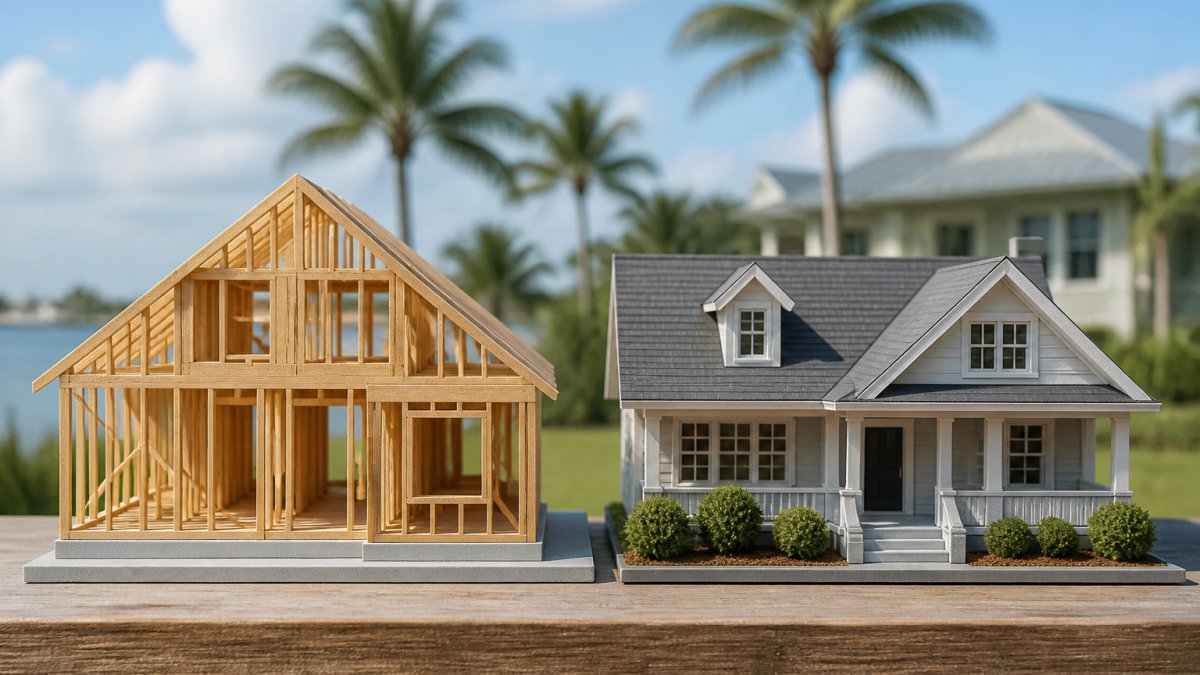
New construction means you contract with a builder, choose a floor plan, and wait for the home to be finished. An existing home is a resale property: what you tour is what you get, usually within 30 to 60 days.
The practical gap shows up in control. With new construction, you influence finishes, layout, and modern features. With a resale home, you inherit someone else's decisions, which can mean architectural character or a maintenance backlog.
Why the Decision Is Bigger Than the Purchase Price
Purchase price is the number on the listing. Total cost of ownership is the number that actually matters. It includes closing costs, property taxes, homeowners insurance, HOA fees, utilities, and hidden repair costs.
A lower-priced existing home with an aging roof and poor insulation can cost more over ten years than a new home with warranty coverage and energy efficiency built in. Qualified guidance from the U.S. Department of Housing and Urban Development reinforces that buyers should budget beyond the sticker price.
New Construction Home Costs: Base Price, Upgrades, and Hidden Line Items
New construction home costs start with the base price, but that figure rarely reflects the finished home. Builders price upgrades separately: flooring, cabinetry, countertops, and lot premiums all add on top.
A common mistake is treating the model home as the baseline. Model homes are typically loaded with design upgrades that push the final number well above the advertised base price.
Where the Money Actually Goes
Most builders break the final price into four buckets:
- Base house price, the plan as it appears on the price sheet, usually with builder-grade finishes.
- Lot premium, an upcharge for a corner lot, water view, cul-de-sac, or oversized homesite. These can be a meaningful percentage of the base price and are often non-negotiable once a lot is reserved.
- Design-center upgrades, flooring, cabinets, countertops, lighting, plumbing fixtures, and structural changes like extended lanais or added bedrooms. Upgrades are typically priced at retail margins, so the design center total can rival or exceed the base price on a heavily customized home.
Ask the sales agent for a written "out-the-door" estimate that includes the lot premium and a realistic design-center allowance, not just the base plan price. A common pattern is for buyers to budget for upgrades and then discover the lot premium and closing costs were never in the number they were quoted.
Builder Incentives, Rate Buydowns, and Closing Credits
Builder incentives often come as closing cost credits, rate buydowns, or free upgrades when you use the builder's preferred lender. These can be genuinely valuable, but they usually carry conditions.
Read the fine print. Some credits vanish if you use outside financing, and some are tied to a specific closing window. A rate buydown lowers your payment for a set period, but the payment can step up later, compare the incentive against what an independent lender offers on the same loan before committing.
Total Cost of Ownership: Insurance, Taxes, HOA, and CDD Fees
Insurance is the line item buyers underestimate most. Flood zones, elevation, and storm resilience drive premiums, and a new home in a designated flood zone still needs flood coverage.
Property taxes follow the assessed value, and new construction is often assessed after the home is complete, which can shift your escrow payment.
HOA fees in a new community cover amenities and shared spaces, and they can rise as the community builds out and more common areas come online.
Comparing the Real Monthly Number
Add up principal and interest, property taxes (including any CDD assessment), homeowners insurance, flood insurance if required, HOA dues, and a maintenance reserve. Compare that total against a resale home with the same square footage. A new home with a lower insurance bill and no near-term roof replacement can beat a cheaper resale on monthly cost even when the sticker price is higher, but only if the upgrade and fee load is priced honestly up front.
New Construction Home Inspections: What to Schedule and When
New construction home inspections are not optional extras. A builder's quality control team works for the builder, not for you. An independent inspector catches issues before they get buried behind drywall.
Schedule three inspections on a typical build:
| Inspection | Timing | What It Catches |
|---|---|---|
| Pre-pour / foundation | Before concrete is poured | Footing, rebar, and slab prep issues |
| Pre-drywall | After framing, before drywall | Framing, electrical, plumbing, and window flashing |
| Final walkthrough | Before closing | Finishes, systems, and punch-list defects |
Builder Warranty Coverage and Follow-Up
Builder warranty coverage typically includes a one-year workmanship period plus longer structural coverage. The catch is that warranty claims require documentation and follow-up.
Photograph defects at the final walkthrough, submit them in writing, and track every response. New Home Hub SWFL helps buyers review written specifications against marketing claims and offers structured support for warranty follow-up so small issues do not become expensive ones.
New Construction Home Timeline: From Contract to Keys
A new construction home timeline usually runs from several months to well over a year, depending on whether the home is already under construction or built to order. Move-in ready inventory closes fastest; a custom build takes longest.
Plan for these phases: contract and deposit, design selections, permitting, construction, inspections, and final walkthrough. Each phase has its own decision points, and delays in one cascade into the next.
Construction Delays and Community Build-Out
Construction delays happen. Material shortages, permit backlogs, and weather push schedules. In a new community, build-out also affects you: early residents often live beside active construction, and amenities may open later than promised.
Ask the builder for a written completion estimate and understand the delay clause in your contract before you commit.
Existing Home Inspection Checklist: Due Diligence for Resale Properties
An existing home inspection checklist protects you from inheriting someone else's deferred maintenance. Unlike new construction, a resale home has a history, and the inspection is your only real window into it. In this market, the inspection also drives insurability, so treat it as a risk review, not a formality.
- Roof age and condition, including shingle wear, flashing, and any prior repairs
- HVAC system age, service records, and cooling performance
- Water heater age and condition
Roof, HVAC, and Storm Resilience in an Older Home
Roof and HVAC are the two systems most likely to fail soon after purchase, and both are expensive. Storm resilience matters just as much: older homes may lack impact windows or a reinforced garage door, and insurers weigh that heavily.
Ask for the roof's age in writing and get a four-point inspection if the home is older. FEMA's flood mapping resources let you confirm the property's flood zone before you make an offer.
Turning Inspection Findings Into Leverage
A resale contract is negotiable after inspection. Group findings into three buckets: safety and insurability issues (roof, electrical, plumbing, mold), systems near end of life (HVAC, water heater), and cosmetic items. Ask for repair credits or a price reduction on the first two buckets, and price the third yourself. Get written estimates from licensed contractors rather than accepting the seller's verbal assurances, and confirm that any completed repair was permitted and inspected.
Request the permit history from the local building department before your inspection period ends. Unpermitted additions, pool enclosures, or roof replacements can surface at resale or insurance review, and the cost to cure them belongs in your offer, not your first year of ownership.
Pros and Cons: New Construction vs Existing Homes Side by Side
New construction wins on efficiency, warranties, and modern floor plans. Existing homes win on price flexibility, location, and immediate move-in readiness. Here is the honest comparison.
New construction pros: modern open layout, energy-efficient windows and insulation, updated technology, builder warranty, fewer immediate repairs, customization. New construction cons: higher base price plus upgrades, longer construction timeline, possible delays, HOA fees, and less negotiating room.
Existing home pros: established neighborhood, architectural character, often lower purchase price, faster closing, room to negotiate. Existing home cons: hidden repair costs, aging roof and HVAC, possible insurance challenges, and no warranty coverage.
| Factor | New Construction | Existing Home |
|---|---|---|
| Upfront cost | Higher base + upgrades | Often lower, negotiable |
| Maintenance | Fewer immediate repairs | Hidden repair costs possible |
| Energy efficiency | Built-in | Varies by age |
| Warranty | Builder warranty | Usually none |
| Timeline | Longer, delay risk | 30-60 days typical |
| Customization | High | Limited |
Which Option Fits Your Buyer Profile?
First-time buyers often prefer move-in ready resale homes for the faster timeline and lower entry cost.
Out-of-state relocators and investors should weigh total cost of ownership hardest, especially insurance and flood risk.
Whatever your profile, independent comparison of builders, floor plans, and total costs removes guesswork.
Ask for the builder's written specification sheet, not the marketing brochure. The spec sheet lists what is actually included, and the gap between it and the brochure is where upgrade costs hide.
The new construction vs existing homes decision is really a decision about risk, timing, and control.
New Home Hub SWFL helps you compare local builders and floor plans, review written specifications against marketing claims, and manage warranty follow-up after closing.
Frequently Asked Questions
Is it better to buy a newly built home or an older home in Southwest Florida?
Neither is universally better. New construction offers modern layouts, energy efficiency, and a builder warranty, but the base price often excludes upgrades and lot premiums. An existing home may sit on a mature lot with architectural character and a known neighborhood, yet it can carry hidden repair costs and higher insurance if the roof or HVAC is older. Compare total cost of ownership, including insurance, taxes, HOA fees, and maintenance, before deciding.
What costs should buyers compare when choosing between a new build and an existing home?
Look beyond the purchase price. For new construction homes, ask for the base price plus lot premium, structural options, design center upgrades, and closing costs. For resale, budget for immediate repairs, roof and HVAC age, and potential insurance adjustments. Both paths carry property taxes, homeowners insurance, and HOA fees. Request a written cost breakdown from the builder and a pre-offer inspection on any resale home so you compare like for like.
How long does it take to buy a new construction home compared with an existing home?
An existing home can close in 30 to 45 days once you are under contract. A new construction home timeline depends on the builder, permit approvals, and community build-out; from contract to keys often runs several months and can extend if construction delays occur. Ask the builder for a written schedule with milestones, and plan for a buffer. Resale timelines are shorter but still depend on inspection, appraisal, and financing.
What inspections should you get on a new construction home?
Schedule a pre-drywall inspection before insulation goes in, a final walkthrough inspection before closing, and a one-year warranty inspection before the builder warranty expires. These new construction home inspections catch framing, electrical, plumbing, and finish issues while the builder is still responsible. Ask whether your consultant reimburses third-party inspection costs; some programs reimburse up to $500 at closing. Keep all reports and submit warranty requests in writing.
Can you negotiate the price of a new construction home?
Builders often negotiate through incentives rather than the base price: closing cost credits, rate buydowns, or design center allowances. Ask what is available before you sign, and get every concession in the contract. On resale homes, the existing home inspection checklist gives you leverage to request repairs or credits. In both cases, a written comparison of builder incentives and upgrade costs helps you see the real bottom line.