
Table of Contents
- Why Hiring a Real Estate Agent for New Construction Changes the Deal
- Questions to Ask a Real Estate Agent About New Construction
- New Construction Real Estate Agent Commission: Who Pays and How Much
- Builder Contract Review: What a Real Estate Agent Should Catch
- New Construction Home Inspection Checklist: Your Agent's Role at Each Milestone
- When to Hire an Agent for New Construction (and How to Choose One)
- Conclusion
- Frequently Asked Questions
Last Updated: October 17, 2026
Why Hiring a Real Estate Agent for New Construction Changes the Deal
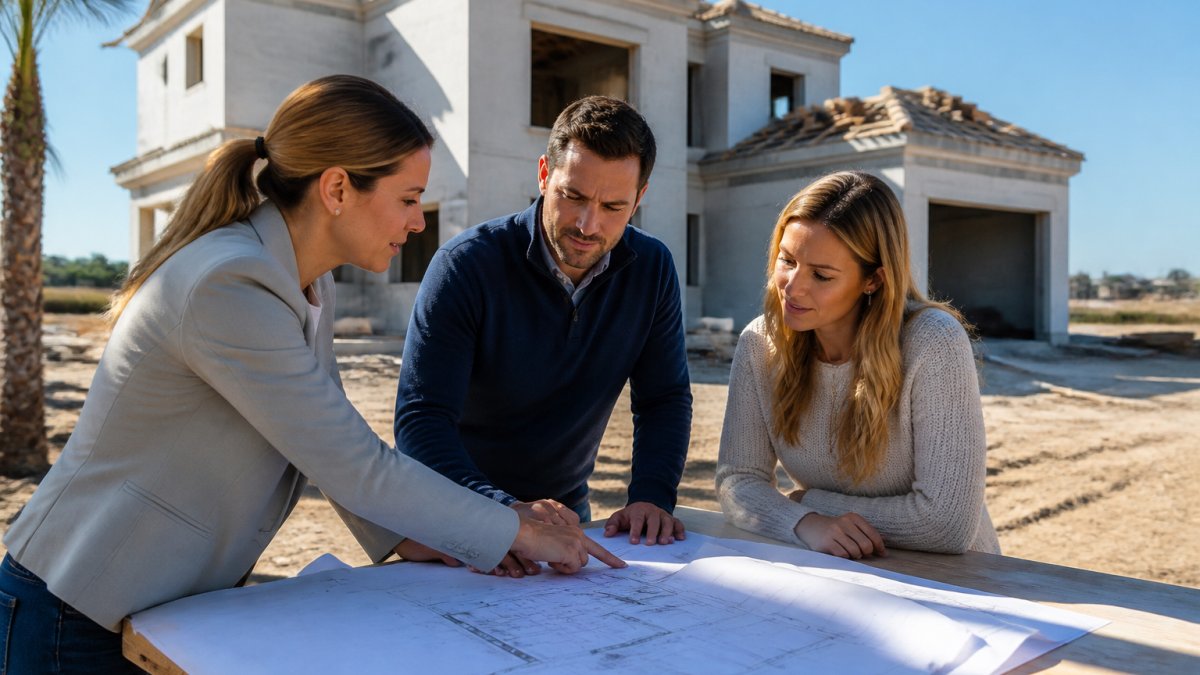
Hiring a new construction agent means bringing your own licensed advocate into a builder transaction instead of relying on the model home sales team. The difference shows up in who answers your questions, who reads the contract, and who is still around after closing.
The Builder's Sales Team Is Not Your Advocate
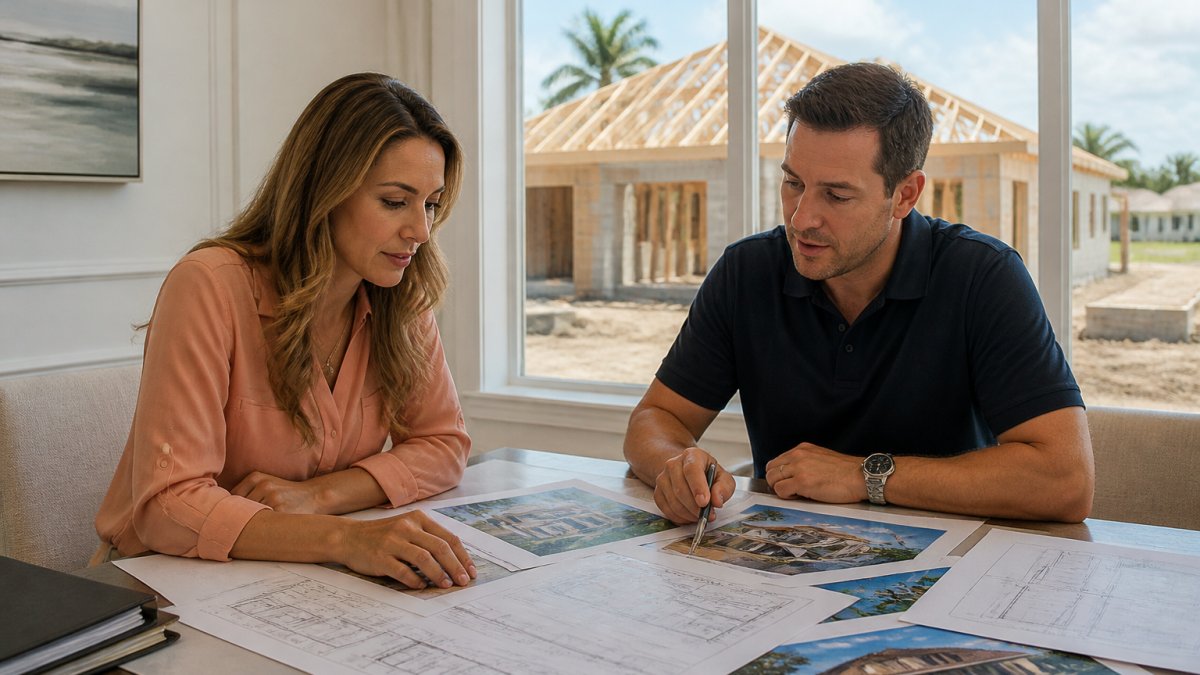
A builder's sales consultant is an employee or contracted representative of the home builder. Their job is to sell that builder's homes at that builder's terms. They are knowledgeable about the product, but they are not working for you.
That distinction matters most in three places:
- Pricing and incentives. The consultant knows what the builder will accept. You do not.
- Contract terms. The purchase agreement is written by the builder's attorneys, for the builder.
- Problem resolution. After closing, the consultant's involvement usually ends.
What a New-Construction Specialist Actually Does
A new-construction specialist is a licensed agent who spends most of their time on newly built homes rather than resales. That focus changes what they can do for you.
- Compare builders and communities side by side, not one sales office at a time
- Read written specifications against marketing language
- Coordinate independent inspections at the right stages
The gap between a general agent and a new-construction agent is knowledge of the process, not access to listings.
Questions to Ask a Real Estate Agent About New Construction
The right questions to ask a real estate agent about new construction separate specialists from generalists in about five minutes. Ask before you commit.
Experience and volume:
- How many new-construction purchases have you closed in the last two years?
- Which builders in this area have you worked with directly?
- Have you dealt with this builder's standard purchase agreement before?
Process and representation:
- Will you attend the design center appointment with me?
- Who pays you, and does the builder need to be told I am represented?
- What happens if the builder refuses to negotiate on a term you flag?
Oversight:
- Will you help me schedule independent inspections?
- How do you handle warranty requests after closing?
Vague answers to the last two are a warning sign. A specialist has a routine for both.
New Construction Real Estate Agent Commission: Who Pays and How Much
In most new-construction purchases, the builder pays the buyer's agent commission out of the sale proceeds, set by the builder's published co-op or referral policy. Buyers typically pay nothing extra for representation.
The details require care.
Commission structures in new construction have shifted since the National Association of Realtors settlement changed how buyer-agent compensation is disclosed and negotiated. The NAR settlement practice changes explained require written buyer agreements that spell out compensation before you tour a home.
How Builder Co-op Policies Actually Work
A co-op is the amount a builder agrees to pay a buyer's agent who brings a represented buyer. It varies by:
- Builder. National builders, regional builders, and local custom builders set different policies.
- Community. A builder may pay a co-op in one community and not another, depending on how sales are going.
- Product type. Move-in-ready inventory homes and to-be-built homes can carry different co-op terms.
What to Verify Before You Tour
Ask directly, and get it in writing:
- Does this builder pay a buyer's agent, and at what rate?
- Is that payment published in writing, and does it apply to this community and this product type?
- Is the co-op paid at closing, and is it contingent on anything (using the builder's lender, title company, or preferred vendors)?
Get the answer in writing before you register at a sales office. Many builders require your agent to accompany you or register you on the first visit, or they will not recognize the representation later.
What the Written Buyer Agreement Should Spell Out
Since the practice changes, your agreement should make these items clear:
- The compensation amount or rate and who is expected to pay it.
- Whether builder-paid co-op counts toward that amount and what happens if the co-op is less than the agreed figure.
- The term of the agreement and how either party can end it.
Read the compensation section before you sign. If it says you owe the difference between the builder's co-op and your agent's rate, know that number before you make an offer, not at the closing table.
Builder Contract Review: What a Real Estate Agent Should Catch
A builder contract review by a real estate agent should catch terms that shift risk onto you, because builder purchase agreements are written to protect the builder.
What a careful review looks like:
- Deposit terms. How much is at risk, and under what conditions is it refundable?
- Completion dates. Is there a firm date, or a broad window with extension rights for the builder?
- Change orders. What do upgrades cost after signing, and can the price change?
The substitution clause is the one buyers overlook most. "Equal or better" gives the builder wide latitude on finishes, appliances, and fixtures.
Your agent is not your attorney, and a contract review is not legal advice.
New Construction Home Inspection Checklist: Your Agent's Role at Each Milestone
A new-construction home inspection checklist should include at least three independent inspections: pre-pour, pre-drywall, and a final walkthrough before closing.
| Milestone | What Gets Checked | Your Agent's Role |
|---|---|---|
| Pre-pour | Foundation forms, plumbing rough-in, site grading | Confirm inspection access before concrete |
| Pre-drywall | Framing, electrical, plumbing, HVAC, insulation | Schedule before walls close |
| Final walkthrough | Finishes, systems, cosmetic defects | Build the punch list in writing |
| 11-month check | Warranty items before the first year ends | Prompt the request before deadlines |
The pre-drywall stage is the one to protect. Once drywall goes up, problems inside the walls become expensive to find and harder to prove.
New Home Hub SWFL reimburses third-party home inspections at closing, up to $500, so the cost is not the reason to skip them.
When to Hire an Agent for New Construction (and How to Choose One)
Hire a new construction agent before your first visit to a sales office, ideally before you choose a builder. Representation is easiest to establish at the start and hardest to add once you have registered, put down a deposit, or signed a purchase agreement.
If you are already mid-process, an agent can still review documents and manage inspections, but recovering a lost commission credit or reopening a signed contract is much harder.
A Step-by-Step Hiring and Decision Framework
Most buyers treat hiring an agent as a single decision. In new construction it is a sequence, and the order matters more than the choice:
- Decide on representation before you tour. Choose whether you want your own buyer's agent before you set foot in a model home. This is the only step that is genuinely hard to reverse.
- Screen two or three candidates against the checklist below. Ask the same questions of each so you can compare answers side by side.
- Sign a written buyer agreement. Since the NAR settlement practice changes, a written agreement spelling out compensation and term is required before touring a home with an agent. Read the term length and the compensation section carefully.
- Confirm the agent is registered with the builder. Ask your agent to contact the builder's sales office and confirm, in writing, that the builder recognizes them as your representative before your first visit.
- Attend the first sales office visit together. Many builders treat the first visit as the registration point. Your agent should be in the room or on the registration form.
- Keep the agent involved through design, construction, and closing. The value after signing is inspections, change orders, delay tracking, and warranty follow-up.
A Buyer-Focused Hiring Checklist
Use this to screen candidates:
- Closed at least three new-construction purchases in the past two years
- Can name the builders they have worked with locally
- Explains buyer-agent compensation in writing, before touring
Score each item yes or no. Fewer than seven yes answers means keep looking. Generalists fail the last two most often, because they require new-construction-specific experience rather than general sales skill.
Builder Sales Representative vs. Your Buyer's Agent
A builder sales representative works for the builder. A buyer's agent works for you. Both are licensed, both know the product, and both can be pleasant to deal with.
| Question | Builder Sales Rep | Your Buyer's Agent |
|---|---|---|
| Who do they represent? | The builder | You |
| Who pays them? | The builder | Usually the builder, disclosed in writing |
| Will they flag contract risks? | No duty to | Yes |
| Do they compare other builders? | No | Yes |
| Who handles warranty follow-up? | Builder's warranty team | Your agent can prompt and track it |
| Can they negotiate upgrades or incentives? | Within builder policy | On your behalf, across builders |
| Do they have a fiduciary duty to you? | No | Yes |
Neither role is dishonest; they are different jobs. The sales representative's answers about pricing, incentives, and contract terms are shaped by the builder's interests, while your agent tests those answers against what other builders and the resale market offer.
Conclusion
The hardest part of a new-construction purchase is not picking a floor plan. It is knowing which questions to ask before anything is signed, and having someone in the room whose only job is your side of the deal.
At New Home Hub SWFL, we provide independent comparison of local builders, costs, and floor plans, expert help reviewing written specifications against marketing claims, and reimbursement of third-party home inspections at closing up to $500.
Get started with New Home Hub SWFL and walk into the sales office with your own representation already in place.
Frequently Asked Questions
Does it cost extra to use an agent when buying a new construction home?
In most new-construction purchases, the builder sets aside a buyer-agent commission that is paid at closing, so the buyer does not pay the agent directly. The new construction real estate agent commission is typically built into the builder's pricing and marketing budget. Ask the builder's sales consultant to confirm in writing that your agent is registered and that the commission is covered before you sign anything. If you walk into a model home without representation, some builders will not allow an agent to step in later.
Can a buyer's agent negotiate with a home builder?
Yes, but the leverage is different than with a resale home. Builders rarely move on base price, yet they often have room on upgrades, lot premiums, closing-cost credits, and financing incentives. A new construction agent knows which levers the builder can pull and when to ask. The strongest negotiating window is usually before the contract is signed and before you are locked into a specific lot and elevation. Bring your agent to the first model-home visit so your representation is documented.
When should I hire a real estate agent for new construction?
Hire before your first visit to a builder's sales office. Many builders require your agent to accompany you or register you on the initial visit; if you tour alone, the builder may treat you as an unrepresented buyer and refuse to pay a commission later. Interview two or three agents with new-construction experience, ask for their questions to ask a real estate agent about new construction, and confirm they will review the builder contract and coordinate inspections on your behalf.
What should a builder contract review by a real estate agent cover?
A builder contract review real estate agent should check the deposit structure and whether it is refundable, the completion date and delay remedies, the allowance and upgrade schedule, the arbitration or dispute clause, and the warranty terms. Builders use their own contracts, and those documents favor the builder. Your agent should flag missing specifications, vague completion language, and any clause that limits your right to inspect. Have an attorney review the contract too if the deposit is large or the terms are unusual.